![]() |
| The telltale warning on your vehicle . . . it's here! |
Tips and advice for rural landowners on caring for their water supply, treatment equipment, rainwater collection and best practices. Based on Gabriola Island, BC, Canada. Since 1998, Withey's Water Treatment Ltd. has been helping hundreds of islanders with servicing and maintaining their household water treatment systems.
May 2, 2012
Pollen 2012 -- BIG YEAR FOR THE TREES!
February 13, 2012
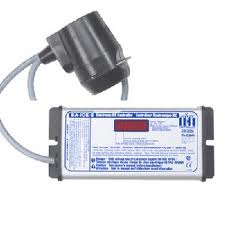
Troubleshooting: UV system is in alarm, beeping

January 13, 2012
Keeping aware of your treatment equipment
December 1, 2011
Power out -- checking your UV when Hydro is restored . . .
October 28, 2011
Good value and competitive pricing . . .
We are a long-time established, major dealer of Viqua Inc. (Trojan and Sterilight) and Waterite Inc. (filters) UVs and water treatment equipment on B.C.'s Gulf Islands.
Our commitment is to excellent customer service, fairness and professional integrity. We maintain detailed customer service records and make sure we have your water treatment supplies in stock when you need it.
Winter on the Wet Coast
June 14, 2011
Summer HEAT and water supplies . . .
OK, so it doesn't quite get this hot and dry here on the south coast! But water tables will be dropping soon, and so homeowners should be moving into full-on water conservation mode. - Do only full loads of laundry, and no multiple loads in one day.
- Get a water-saving shower head -- e.g. Water-Pik that allows you to shut-off flow at head for soaping up.
- Tell all your house guests the Gulf Islands toilet mantra: "if it's yellow, let it mellow . . ."
- Let your grass "go native" in our natural dry season; it bounces back in the fall.
- If you have a low-recovery well -- maybe this is the summer to finance and install a well-to-cistern-to-house system so you can slowly trickle fill a cistern to have a reservoir of water.
- Water the tender flowers and veggies in the early morning or late evening.
- Buy a well-watcher to monitor your well level if you've had a past history of it running dry.
March 30, 2011
How to Change Your Sterilight UV lamp
http://www.youtube.com/watch?v=xMJ9RMoBn6Y
March 7, 2011
Rainwater collectors . . . . Get ready for pollen season!!
Australia, Texas, Oregon and several Caribbean nations are leaders in rainwater collection. Various sources from these regions as well as field knowledge gathered from hundreds of our customers collecting rainwater here on Gabriola, have given us some essential recommendations on maintaining your rainwater harvesting system. Here are tips to keep in mind:
WITHEY'S WATER TREATMENT
RAINWATER HARVESTING TIPS. . .
Overall:
Monthly: spend about 10 minutes and do a walkabout of your system. Ensure gutters and downspouts aren’t plugged, screens are in place, pipe is not broken or leaking. Check cistern water level with a pole, gauge or tape and record in a log book. Check whole-house filters, change if needed. See that pump pressure is stable and not cycling (if it is, there may be a leak or faulty check valve). Ensure UV is on and not in alarm.
Ensure gutters are in good condition and clean; put a screen/strainer over the gutter downspout hole to keep out mosquitoes and other insects from your pipes.
Ensure collection cistern has leaf & insect screen in place, hatches are closed and overflow pipe, vents are screened to keep out critters.
Periodically – (e.g.) yearly, biennially or at a time you think is necessary, clean your cistern(s) and flush out your collection pipes.
Though Century Cisterns are HDPE-UV-stabilized, it’s a good idea to shade your cisterns to help reduce sunlight intensity and moderate the water temperature.
If you have a first-rain diverter or cleanout – ensure you have it emptied and ready to go for the next rain after an extended dry-period.
Occasionally, add plain 5.25% household chlorine bleach to your cisterns (dose: approx ¾ cup per every 1,200 gallons of stored water) to help kill organisms that may be present. Hydrogen peroxide -- 35% food grade -- can be used instead (dose: approx. ¼ to ½ litre per every 1,200 gallons of stored water). Use hose or bucket to re-circulate water in cisterns for 10 - 20 mins.
+ Spring/Summer:
During extended dry periods (e.g. greater than 7-10 days) ensure your system is ready to bypass/divert the first rain so it cleans your roof and the atmosphere of pollutants. The only researched guideline on this is to allow for at least 10 gallons of rain to be diverted for every 1,000 sq ft of collection surface for a “typical roof”. If you have a piped-in first flush diverter, ensure it is empty and ready to accept the first-flush of rain. Otherwise, bypass your cistern and give a solid rainstorm about 2-4 hours of cleaning time before collecting.
Clean and flush your gutters, collection pipes and roof after pollen season.
+ Fall/Winter
Continue diverting first rain after any extended dry period.
Ensure system is ready to go for the big winter rains. Collect rain continuously.
Ensure “wet collection” & supply pipes are protected from freezing by earth or insulation. If you have a “wet-pipe” collection system and extended sub-zero temperatures are forecasted, open up your clean-out/rain diverter and empty the collection pipe of water so it doesn’t freeze and crack your collection pipes!
February 3, 2011
Help! Manure Management on the Gulf Islands
Our extremely wet, soggy winters and highly porous soil and subsoil structure combined with an uncovered, unmanaged manure pile is a complete recipe for guaranteed groundwater contamination. Not only e-coli and possible pathogens, but nitrate loading of groundwater -- extreme health hazard. Treatment for Nitrates is complex and expensive. Best practice: manage your manure carefully, and avoid problems.
An excellent B.C. resource is http://www.manuremaiden.com/
Prevent leaching -- cover, contain, compost! (image courtesy: manuremaiden.com)
February 1, 2011
Become a Rain Gardener . . .
There is a growing consciousness that how we care for the surface areas of our properties has a direct impact on groundwater quality. There are regulations in place for restricting pollutants, septic system issues, and manure management that cause groundwater pollution, but there is a lack of direct guidance on landscape maintenance to provide the best rainwater collection and filtration capabilities.
Home Design & Build -- Cisterns with Bypass/First Rain Diverters!!
If you are in the process of getting a home designed with a cistern built-in to the foundation, be sure to ask your builder to incorporate:
- Roof collection rain diverters/bpyass pipes -- so that 10 gallons of "first rain" per every 1,000 sq ft of rooftop collection surface is able to be diverted from your cistern;
- Incorporate chamber design into your concrete cistern -- so that one chamber at a time can be isolated, drawn down and cleaned periodically, while still maintaining a supply of water to the house.
- If separated chamber design is not practical, construct a sump area or collection well into the cistern so that the rainwater inlet filling the cistern is partially dammed, calmed and isolated from the rest of the reservoir. A weighted half-height rain barrel would do. That way, rainwater falls into the barrel first (along with debris) before spilling over the submerged edges to fill the cistern.
November 10, 2010
La Nina is coming this winter!!! Be ready for freezing temps
See our older blog post from Monday, November 30, 2009
"Rainwater collection system ready for cold weather? " for more details . . .
July 17, 2010
Resetting to extend lamp life temporarily
WITH A RESET BUTTON ---
- Press and hold reset button for a loooonnng slow count of five seconds and release. This will silence alarm for 7 days. You can do this up four times before it will no longer silence and must be changed.
OR
WITHOUT A RESET BUTTON, OR RESET DOESN'T SEEM TO WORK . . .
- Unplug UV at outlet and wait 10 long seconds.
- Then, while pressing down reset button of UV power supply (if it has one), plug UV back in and wait for the following (depending on UV power supply model): solid beep and then it silences, or solid beep and the words on LED display "reSET" are lit up. As soon as this occurs, take finger off reset button.
- The beeping should stop and lamp should light up. If it does not, it may be that the power supply has been damaged from the outage, or more rarely, the UV lamp is burnt out.
April 13, 2010
WATCHING THE TREATMENT TRENDS!
When choosing water treatment equipment you want to look for a product with a good reputation and track record and that is in common use and readily available in the marketplace (so you can be confident parts, warranty, and service will be around for a long time for your system).
UVs, RO's and filter housings with changeable filters in common sizes, and fittings are the "go-to" systems for the vast majority of island homes.
More recent trends and developments we are watching are: Whole-house automatic ultra filtration systems or UF Systems (as a substitute to prefilters and UV) ; engineered sand automatic backwashing filters (as a substitute to prefilter cartridges); undersink UF systems (as a substitute to POU - RO's)
As we see more evidence of these systems in use in areas with water conditions similar to ours, we may see them installed in homes here more often. The economics and long-term availability of parts and supplies are the final determining factors in most cases.
Power outages and resetting a beeping UV . . .

If beeping or UV lamp out after power is restored, try the following steps:
- Unplug UV at outlet and wait 10 long seconds.
- Then, while pressing down reset button of UV power supply (if it has one), plug UV back in and wait for the following (depending on UV power supply model): solid beep and then it silences, or solid beep and the words on LED display "reSET". As soon as this occurs, take finger off reset button.
- The beeping should stop and lamp should light up. If it does not, it may be that the power supply has been damaged from the outage, or more rarely, the UV lamp is burnt out.
- Contact your service technician to confirm problem.
To protect your UV power supply and lamp function, it is always advised that no other fairly heavy power-using appliances (e.g. jet pump or centra-vac) be on the same plug or circuit, and that the outlet be GFCI and also have a plug-in style surge protector on it too.
If any past reasons or suspicions of unsafe water, you will need to sanitize with chlorine and/or thoroughly flush your water lines after power is restored and your UV is confirmed operational.